


Key Takeaways
Home offices are now essential, not optional: Renters increasingly prioritize dedicated workspaces, making properties with offices or flexible rooms more competitive and valuable.
Suburban areas are in higher demand: commuting is less important, tenants are choosing larger homes in areas like Gilbert and Chandler for more space and better lifestyle amenities.
Reliable technology and infrastructure are critical: High-speed internet, strong HVAC systems, and updated electrical setups are must-haves for attracting and retaining remote-working tenants.
Lifestyle-focused amenities drive tenant decisions: Features like outdoor space, upgraded kitchens, and access to recreation are now more appealing than proximity to city centers.
Did you know that Arizona has become one of the top destinations for remote workers leaving high-cost coastal cities over the last few years? This shift has fundamentally changed what tenants look for in a home and how investors must manage their real estate assets.
As professionals prioritize home offices and extra square footage over short commutes, the Phoenix metropolitan area and surrounding suburbs have seen a significant transformation in housing demand.
The rise of the home office is not just a passing trend but a permanent shift in the local economy. To help landlords and investors navigate these changes, SGI Property Management Phoenix put together this article.

Understanding these shifting renter preferences is essential for maintaining low vacancy rates and ensuring your rental property remains competitive in a market that now values functional living space as much as location.
Rising Demand for Dedicated Home Offices
In the past, a spare bedroom was often considered a luxury or a guest room. Today, for many renters in the Valley, a dedicated workspace is a non-negotiable requirement.
Remote employees spend forty hours or more each week inside their homes, which means they need a quiet, private area away from the kitchen or living room to conduct video calls and focus on tasks. Properties that offer a defined office space or a den often command higher rents and attract more stable, long-term tenants.
Landlords can adapt to this trend by highlighting "flex spaces" in their listings or even performing minor upgrades, such as installing built-in shelving or improving lighting in smaller rooms. When a property meets the professional needs of a modern worker, it becomes much more than just a place to sleep.
The Search for Square Footage and Suburban Comfort
With commute times no longer a top concern, many workers are relocating to suburban areas like Gilbert, Chandler, and Surprise. Renters are moving farther from central hubs like Phoenix in exchange for larger homes and private outdoor space. Backyards for pets, relaxation, and enjoying the East Valley lifestyle are now major housing priorities.
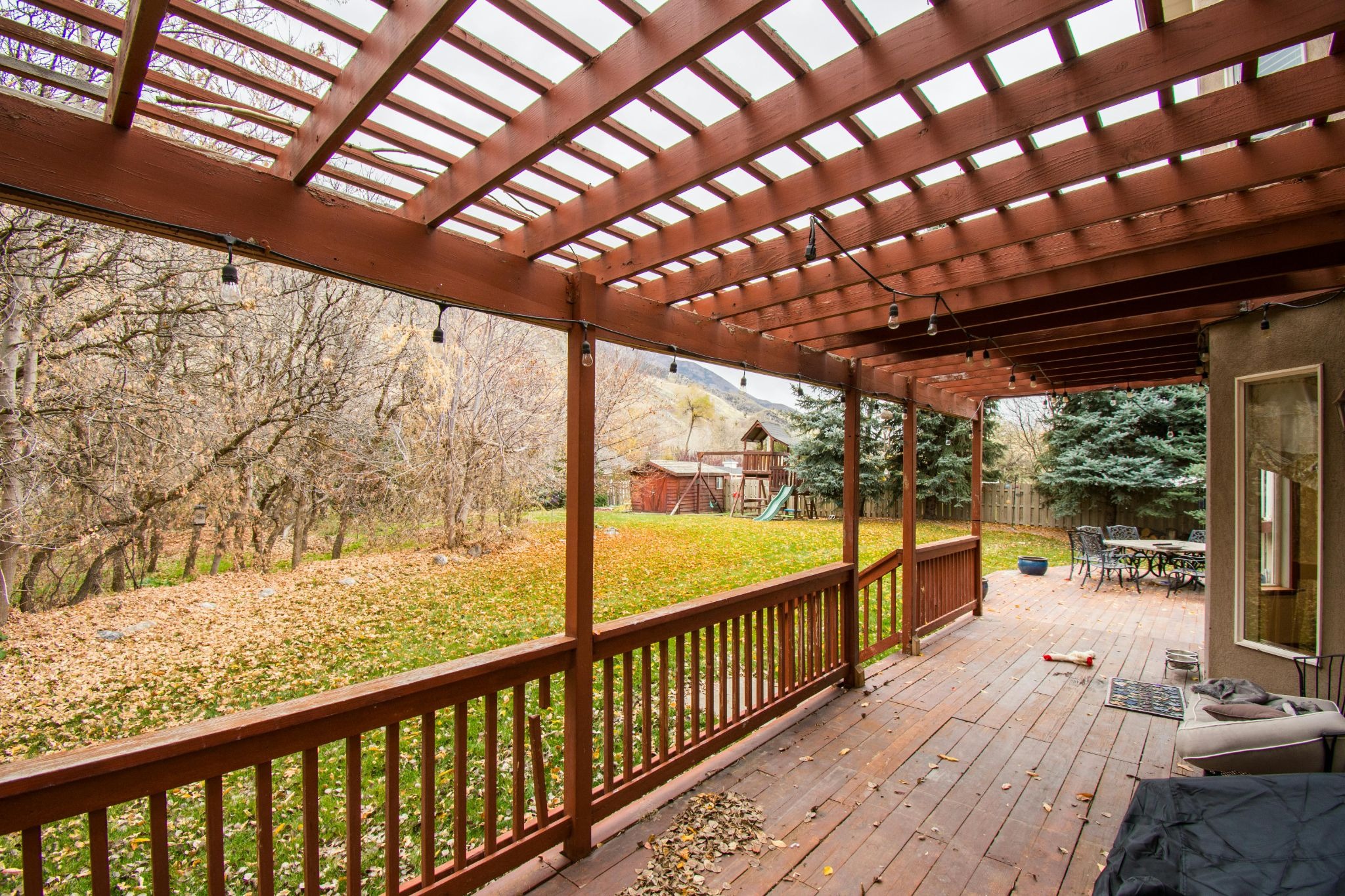
Single-family homes have seen a particular surge in popularity compared to high-density apartments. Tenants are looking for the "work-play-live" balance that a suburban home provides. This shift means that properties once considered "too far out" are now prime real estate.
Investors should recognize that the definition of a "prime location" has expanded significantly, making suburban rental houses a very strong component of a local real estate portfolio.
Technological Infrastructure and Connectivity Needs
For remote workers, reliable internet is as essential as electricity or water. In Arizona’s intense heat, people spend much of summer indoors, putting home infrastructure under constant scrutiny. High-speed fiber has become a top priority for many renters.
Properties in areas with weak cellular reception or outdated wiring often struggle to attract tenants in today's competitive housing market environment.
Beyond internet speed, the increased usage of home systems means that HVAC units and electrical systems are working harder than ever before. Since the tenant is home all day, the air conditioning system is under constant load during the summer months.
Property owners must be proactive with maintenance to avoid emergency repairs. Ensuring that a home is tech-ready and mechanically sound is a baseline expectation for the modern Arizona renter.
Changes in Amenity Preferences
The shift toward working from home has also changed which amenities provide the most value. While proximity to the light rail or downtown offices used to be a major selling point, renters are now looking for "lifestyle" amenities.
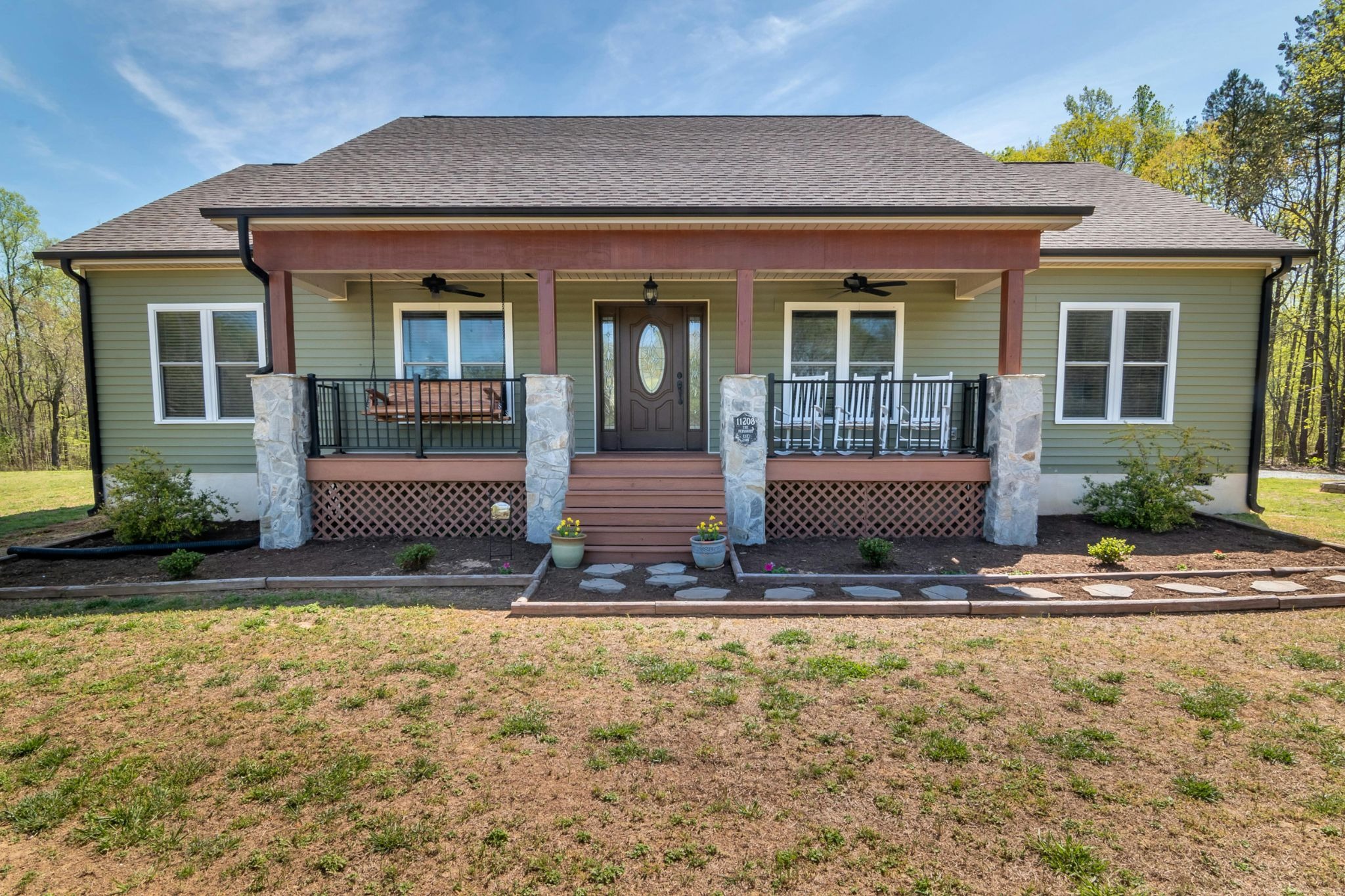
This includes high-quality fitness centers, proximity to hiking trails in areas like Camelback Mountain or South Mountain, and community parks.
Inside the home, upgraded kitchens and laundry facilities are more important because tenants are preparing more meals at home and using their appliances more frequently.
A rental that feels like a sanctuary rather than a temporary stopover is more likely to retain tenants. By focusing on these comfort-driven upgrades, landlords can reduce turnover costs, which is often the largest expense in property investment.
The Value of Professional Property Management
Managing a rental property in this new environment requires a higher level of oversight and responsiveness. With tenants spending more time on the premises, wear and tear can occur more rapidly.
Maintenance requests may become more frequent, and the expectations for quick resolutions are higher when the tenant’s home is also their place of business. A professional management team can handle these increased demands efficiently.
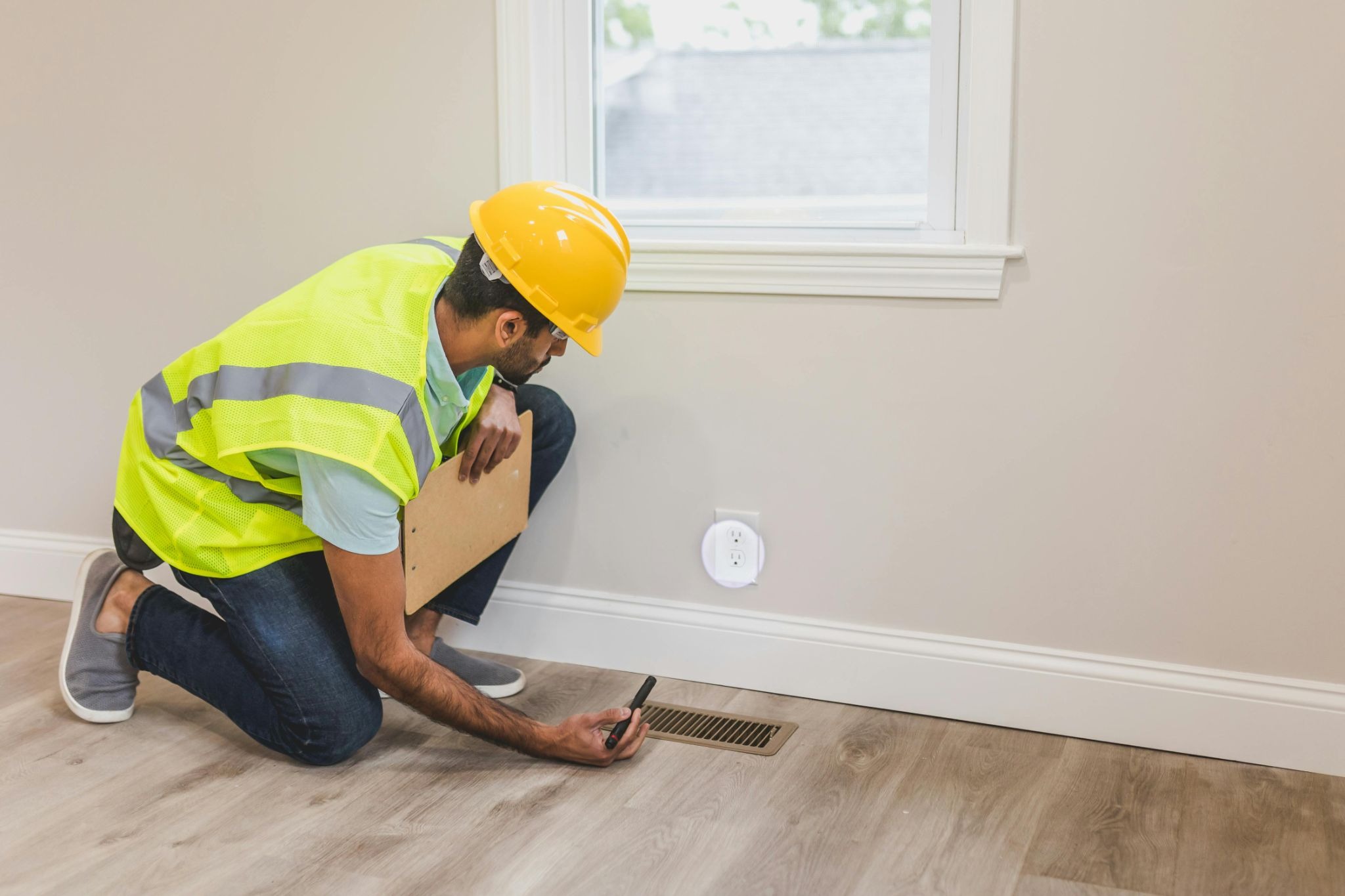
Hiring a property management company ensures that your investment is handled with a level of expertise that individual landlords may find difficult to maintain alone. From screening for reliable remote workers to overseeing regular HVAC inspections, professional managers protect the value of the asset.
They also stay informed about local market trends and legal requirements, ensuring that the property remains profitable and compliant with all Arizona housing regulations.
Bottom Line
The Arizona housing market has undergone a permanent change due to the flexibility of remote work. Renters are prioritizing more space, dedicated home offices, and suburban locations over traditional urban commutes.
These shifts require landlords to rethink their investment strategies, focusing on properties that cater to a lifestyle of productivity and comfort. As technology and tenant needs continue to evolve, staying ahead of these trends is the key to long-term success in the Phoenix real estate market.SGI Property Management Phoenix can help landlords with the above by providing expert market analysis and comprehensive management services.
Our team understands the specific needs of the Phoenix area and works to ensure your property appeals to the modern workforce. We handle everything from tenant placement to proactive maintenance, allowing you to enjoy the benefits of your investment without the daily stress.