


_3.png)
Key Takeaways
Reduce risk: Preventive maintenance and documented upgrades may improve a property's risk profile, though discounts depend on the insurer.
Review deductibles: A higher deductible can lower premiums, but owners need enough reserves to absorb a covered loss.
Compare coverage: Pricing, exclusions, limits, and endorsements matter as much as the premium.
Document upkeep: Records of repairs, inspections, and safety improvements can help owners communicate accurately with insurers.
Insurance costs can take a larger bite out of rental income when premiums rise, but cutting coverage blindly can expose an owner to much larger losses. A better approach is to review the property's condition, policy terms, deductible, and loss-prevention practices together.
At SGI Property Management Phoenix, we help owners keep rental operations organized and property issues addressed so insurance decisions can be made with better information.
Protect Your Portfolio With Professional Support.
Fortifying Your Rental Portfolio Against Rising Insurance Premiums
Arizona home insurance guidance notes that coverage choices, property characteristics, claims, and broader repair costs can affect premiums. Rental owners should review their specific policy with a licensed agent and ask which improvements, documentation, or deductible changes may affect pricing.

The goal is to reduce preventable risk while keeping enough coverage for losses that would be difficult to absorb out of pocket.
Upgrade Roofing With Risk in Mind
Phoenix heat, monsoon winds, and hail can be hard on roofing materials. If a roof is aging or damaged, have a licensed contractor assess its condition and discuss replacement options when work is needed.
Some insurers may recognize qualifying impact-resistant materials or other mitigation measures, but discounts are not automatic. Ask the carrier what documentation or product ratings it accepts before choosing an upgrade.
Keeping the roof maintained also supports broader rental maintenance goals by catching small defects before they contribute to interior damage.
Modernize Plumbing and Electrical Systems
Older or deteriorated plumbing and electrical components can increase water or fire risk. Use licensed professionals to identify unsafe, obsolete, or failing components and prioritize work that improves the property.
Keep invoices, permits, and inspection records when applicable. Accurate documentation can help an insurer understand what was updated and when.
Add Leak Detection and Security
Water sensors, automatic shutoff devices, monitored alarms, and exterior security measures can reduce the severity of some losses when properly maintained. Automatic shutoff technology can also limit water flow after a leak is detected.
Ask the insurer whether specific devices qualify for a credit before buying them for that reason.
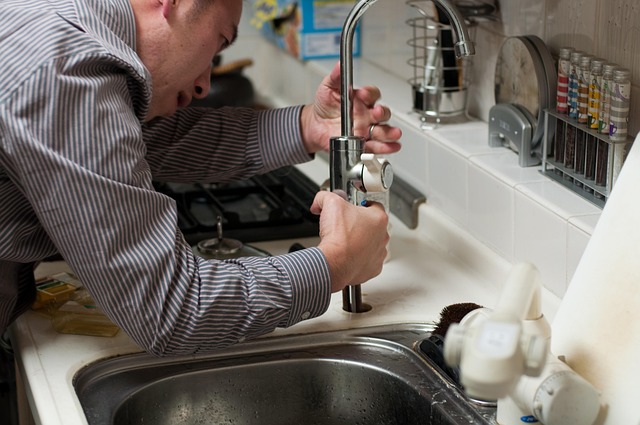
Even without a premium reduction, early detection can support a broader water damage plan by catching plumbing leaks sooner.
Revisit Your Deductible
A higher deductible can reduce the premium because the policyholder agrees to absorb more of a covered loss. Before changing it, compare quotes at several deductible levels and confirm whether separate wind, hail, or other deductibles apply.
Keep adequate reserves rather than choosing a deductible that could create a cash-flow problem after a claim.
Simplify Rental Risk With Local Management
Compare Portfolio Coverage Options
Owners with multiple rentals can ask whether packaging properties with one carrier or using a portfolio-oriented policy makes sense. Consolidation may simplify administration, but it does not guarantee a lower price.
Compare premiums alongside limits, exclusions, valuation methods, liability protection, and loss-of-rents provisions. A cheaper policy may cost more after a loss if important protection has been reduced or excluded.
Manage Claims Carefully
Insurance is generally most valuable for losses that would be difficult to handle directly. Before filing a small claim, confirm the relevant insurance coverage, compare the estimated damage with the deductible, and discuss potential implications with the insurer or agent.
Do not ignore damage simply to preserve a claims record. Prompt repairs and good records can prevent a small problem from becoming more expensive.
Reduce Liability Hazards
Routine inspections can identify loose handrails, damaged walking surfaces, poor exterior lighting, and other maintenance concerns. Correct hazards promptly and document completed work.

A consistent process is especially useful when a vacant rental has no occupant present to notice developing problems.
Set Clear Renters Insurance Requirements
Renters insurance generally protects a tenant's personal property and may provide tenant liability coverage, while the owner's policy protects different interests. If owners require renters insurance, the lease language and verification process should be clear, consistently applied, and reviewed for compliance with applicable requirements.
A renters insurance requirement does not guarantee lower landlord premiums or prevent claims against an owner's policy. Ask the insurer whether it recognizes any underwriting benefit.
The Bottom Line
Rising premiums are easier to manage when owners focus on sound property condition, accurate records, suitable reserves, and coverage that matches their actual risks. The right balance depends on the property and the insurer, so policy changes should be reviewed carefully rather than made on price alone.
At SGI Property Management Phoenix, we help owners stay on top of maintenance, documentation, and day-to-day rental operations that support a well-managed investment.
Keep Your Phoenix Rental Strategy Strong
Frequently Asked Questions About Rising Insurance Premiums
How Often Should Rental Owners Shop for Insurance?
Owners can compare coverage before renewal or whenever a major property or portfolio change occurs. The goal is not simply to find the lowest premium. Compare deductibles, exclusions, replacement-cost provisions, liability limits, loss-of-rents coverage, and any endorsements that matter to the property.
Provide the same property information to each insurer so quotes are easier to compare. Ask about discounts, valuation methods, and renewal terms too. If coverage differs materially, ask the agent to explain the tradeoffs before switching carriers.
Can a Higher Deductible Hurt Cash Flow?
Yes. A higher deductible may reduce the recurring premium, but it increases the amount the owner must fund before insurance pays a covered claim. That tradeoff can be difficult during a major repair, especially when several expenses arrive at once.
Before raising the deductible, compare the annual savings with the additional amount at risk and keep accessible reserves for an unexpected loss. The best level depends on the owner's finances, property risks, and policy terms.
Does Standard Property Insurance Cover Flooding?
Often, standard property policies exclude flooding caused by rising surface water. Owners should review the actual policy and the property's flood exposure rather than assume coverage is included.
Separate flood insurance can provide building coverage for certain qualifying flood losses. Owners should also check the property's mapped risk and lender requirements. Availability, limits, deductibles, and pricing depend on the property and policy, so a licensed insurance professional can help determine whether additional protection is appropriate.
Should Owners Replace a Roof Just to Lower Premiums?
Not necessarily. A roof replacement is a major capital expense, and any insurance savings may be smaller than the project cost. Start with the roof's actual condition, remaining service life, repair history, and the insurer's underwriting requirements.
If replacement is already justified, ask the insurer whether particular materials or ratings affect eligibility or pricing before selecting products. Owners should also verify that the contractor is properly licensed through the official contractor search before work begins.
How Can Property Management Support Insurance Risk Control?
Property management can support risk control by keeping maintenance communication organized, coordinating approved repairs, documenting property conditions, and helping owners respond to issues before they become larger operational problems.
A property manager is not a substitute for an insurance agent, adjuster, contractor, or attorney. Coverage decisions remain between the owner and insurer, but consistent oversight can give owners better records and a clearer picture of the property's condition when reviewing policies or responding to a claim.
Keep Your Phoenix Rental Strategy Strong